


Is Vape Legal in Poland? Your 2026 Guide

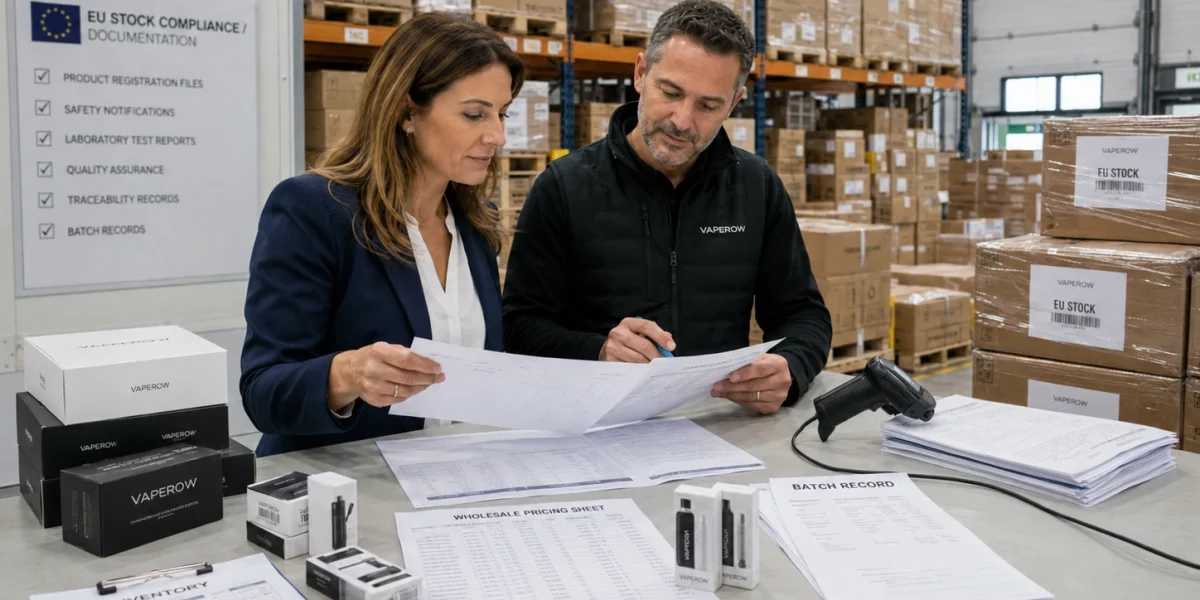
If you live in Poland or plan to travel there with a device, you have probably asked one simple question: is vape legal in Poland, or are the rules about to change?
The short version is that vaping is still permitted for adults, but Poland now runs one of the strictest e-cigarette regimes in the European Union, and a high-profile proposal could reshape the market again. Between new taxes, packaging rules, an advertising ban and a draft law aimed at single-use devices, the picture in 2026 is very different from a few years ago. This guide walks through what is allowed today, what is changing, and what adult users should keep an eye on.
As of mid-2026, vaping remains legal in Poland for adults aged 18 and over, but it is tightly regulated under EU and national law, and disposable vapes specifically face a proposed sales ban that has not yet taken effect.

Is Vaping Legal in Poland Right Now?
Yes — for adults, vaping is currently legal in Poland.
E-cigarettes and e-liquids, with or without nicotine, can be bought and used by people who are at least 18 years old. They are treated as age-restricted products, sit alongside traditional tobacco in much of Polish law, and are sold through regular retail and online channels that comply with national rules. There is no general prohibition on simply owning or using a vape as an adult.
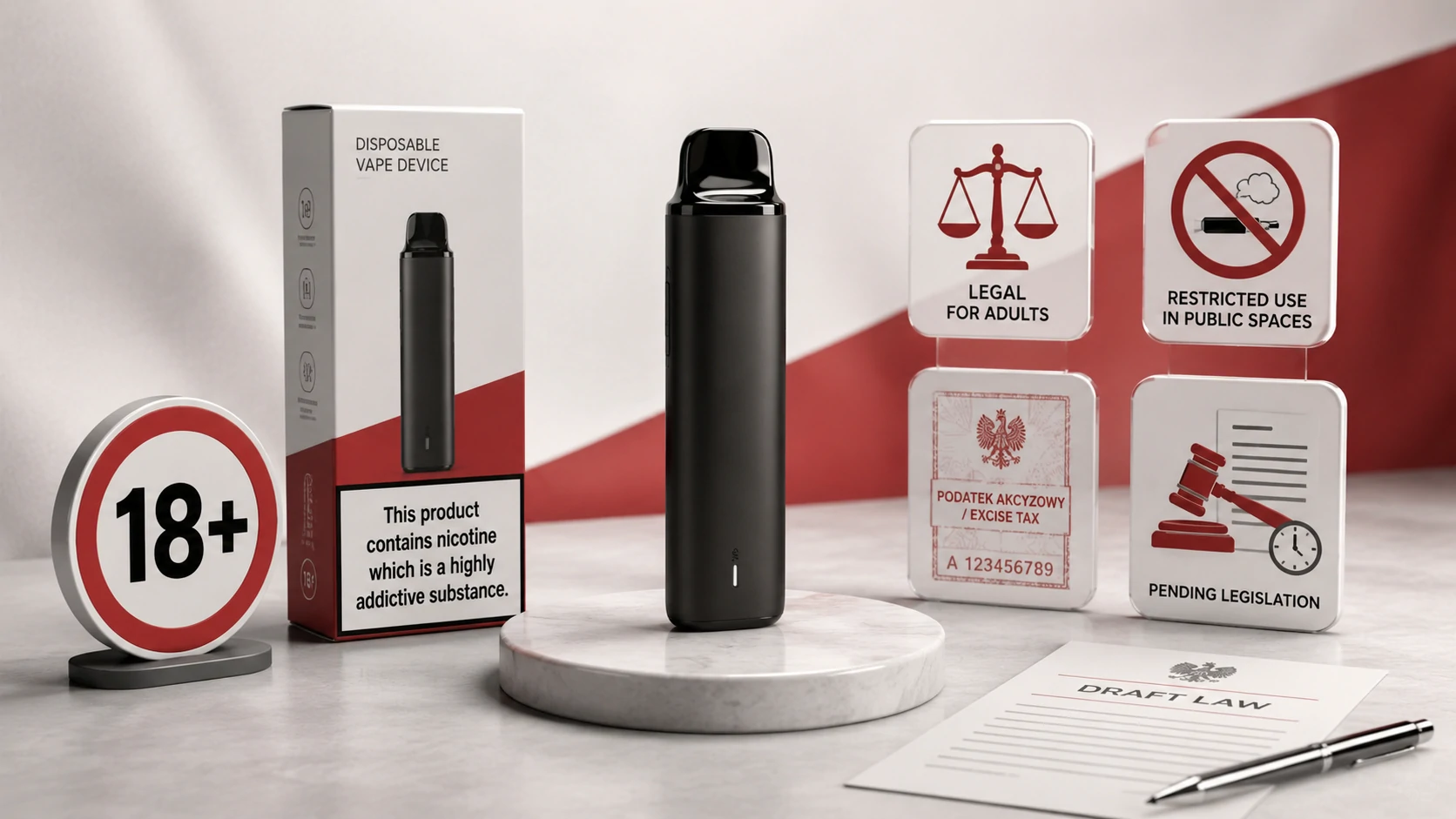
The key point for any adult user is that legality comes with conditions: an 18+ age requirement, health-warning labelling, and restrictions on where you can vape — it is permitted, not unregulated.
A few practical basics worth knowing:
-
Sales to anyone under 18 are prohibited, for both nicotine and nicotine-free products.
-
Devices and liquids must carry the required health warnings on the packaging.
-
Vaping is generally banned in enclosed public spaces — places such as public transport stops, hospitals and schools — under rules similar to those for cigarettes, unless a designated area is provided.
The Rules That Apply to Vapes in Poland
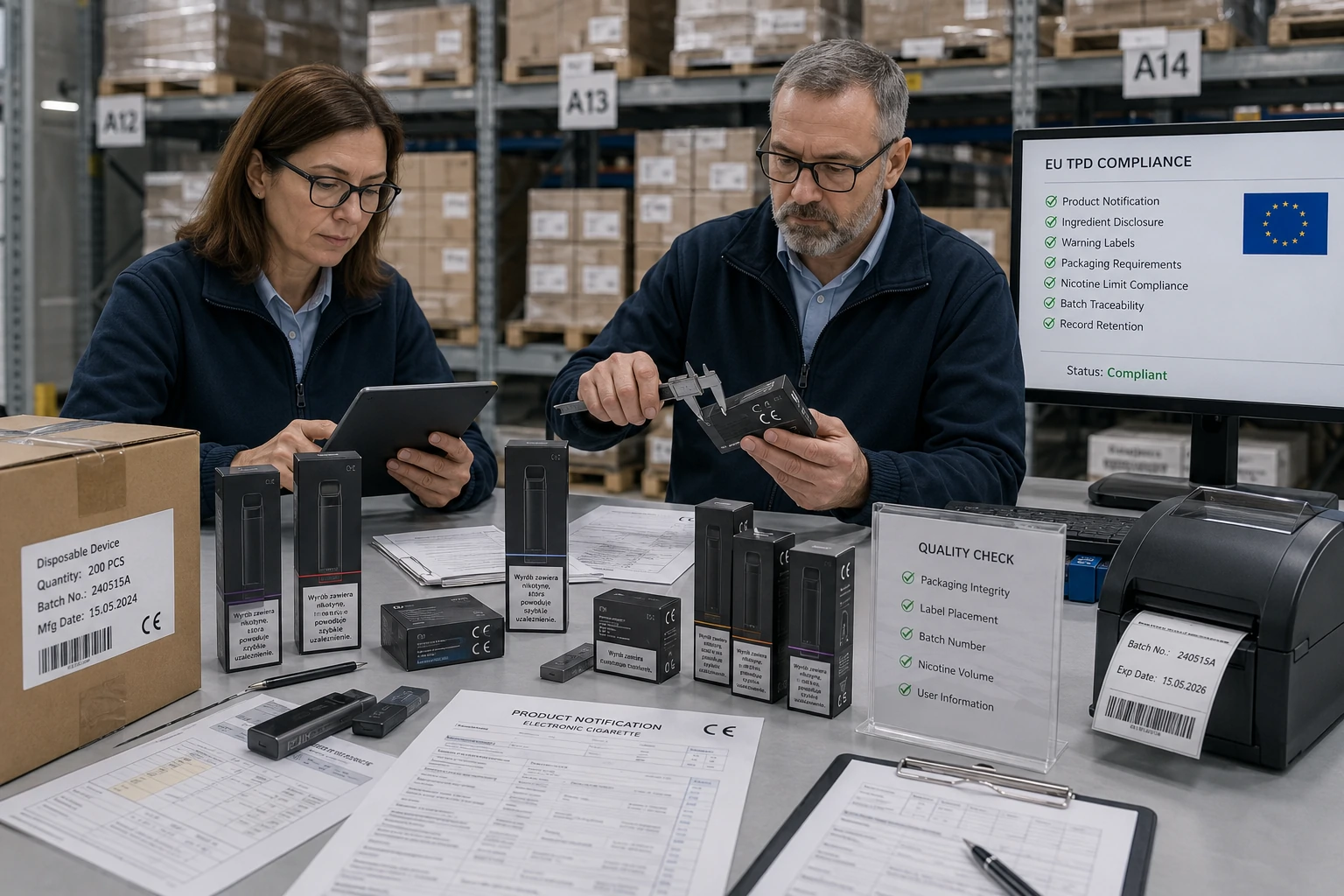
Poland’s vape rules flow from the and a national amendment that expanded the framework in 2025.
That amendment widened the law to cover not just nicotine devices but also nicotine-free e-cigarettes, e-liquids, hardware and nicotine pouches. The result is a detailed set of limits on what products can be sold, how they are packaged, and how they must be registered before they reach the shelf. For a brand or an importer, this is a compliance-first market; for an everyday user, it mostly shows up as standardised products and stricter labelling.
In practice, Polish law caps nicotine strength, limits tank and pod sizes, requires product registration, and bans virtually all advertising of vaping products.
Some of the concrete limits in force include:
| Rule | What it means |
|---|---|
| Nicotine strength | E-liquids may contain a maximum of 20 mg/ml of nicotine |
| Liquid volume | Up to 10 ml for refillable devices; up to 2 ml for disposables and pre-filled pods |
| Age limit | Sales prohibited to under-18s |
| Registration | Products must be notified to the national chemical authority before sale |
| Advertising | Advertising, promotion, sponsorship and public display of vaping products is banned in any form |
That advertising ban is important context: it is why reputable sellers in Poland keep their communication purely informational rather than running aggressive promotions. New composition, labelling, packaging and reporting requirements also took effect at the start of January 2026, raising the bar further.

Taxes and the Proposed Disposable Vape Ban
Two forces are reshaping the Polish market: rising excise taxes and a draft law targeting single-use devices.
On tax, e-cigarettes are treated as excise goods under the supervision of the , and the rates have been climbing on a published schedule. On the proposed ban, the government has drafted legislation that would prohibit the sale of disposable vapes entirely — a move aimed at reducing youth uptake and the environmental impact of single-use plastic-and-battery devices. Both factors mean prices have risen and availability of certain products has tightened.
Disposable vapes are the category most affected: they already carry a heavy per-device tax, and a proposed law would ban their sale outright, though as of mid-2026 that ban has not yet come into force.
What the numbers and timeline look like:
-
A fixed excise charge applies to each disposable device, on top of the per-millilitre tax on e-liquid.
-
The e-liquid excise rate has been rising in steps through 2026 and into 2027 under a published schedule.
-
The draft disposable ban (often referred to by its legislative code) would cover both nicotine and nicotine-free single-use devices, and a 2026 version of the proposal extends the restriction from minors to adults as well.
-
Reports from the ground indicate the ban is still moving through the legislative process and is not yet enforced — so disposables remain legally on sale for now, but their long-term status is uncertain.
Because the situation can change at short notice, anyone relying on disposables in Poland should treat the current rules as a snapshot and check the latest position before stocking up.

What This Means for Adult Buyers in Poland and the EU

For an adult buyer, the headline is simple: you can still buy and use vapes legally in Poland today, but choose your seller and product with the changing rules in mind.
That means buying from sellers who follow Polish registration, labelling and tax requirements, and being aware that disposable devices in particular sit under a regulatory cloud. Across the wider EU the same TPD baseline applies, so familiar limits — 20 mg/ml nicotine, 2 ml disposables, 18+ sales — will look similar in neighbouring markets, even if taxes and any local bans differ country by country.
The safest approach is to buy compliant, properly labelled products from sellers with genuine EU stock and clear delivery, and to verify the current legal status before purchasing, especially for disposable devices.
A few things adult shoppers and B2B partners tend to look for:
-
Compliant, registered products with correct health warnings and within the legal nicotine and volume limits.
-
Sellers holding stock in EU warehouses for faster, more reliable local shipping and clearer customs handling.
-
Flexible payment and delivery options where lawful, such as in markets that support it.
-
For wholesale and import (B2B), partners who can supply compliance documentation, manage excise correctly, and adapt their range as rules evolve.
Brands operating in the region — Vaperow among them — typically run EU-based warehousing and a range of flavours, puff counts and nicotine strengths for adult users, while adjusting their offering as Polish and EU regulations change. Given the advertising restrictions and the proposed disposable ban, the most useful thing a brand can do is stay transparent about compliance rather than push hard sells.
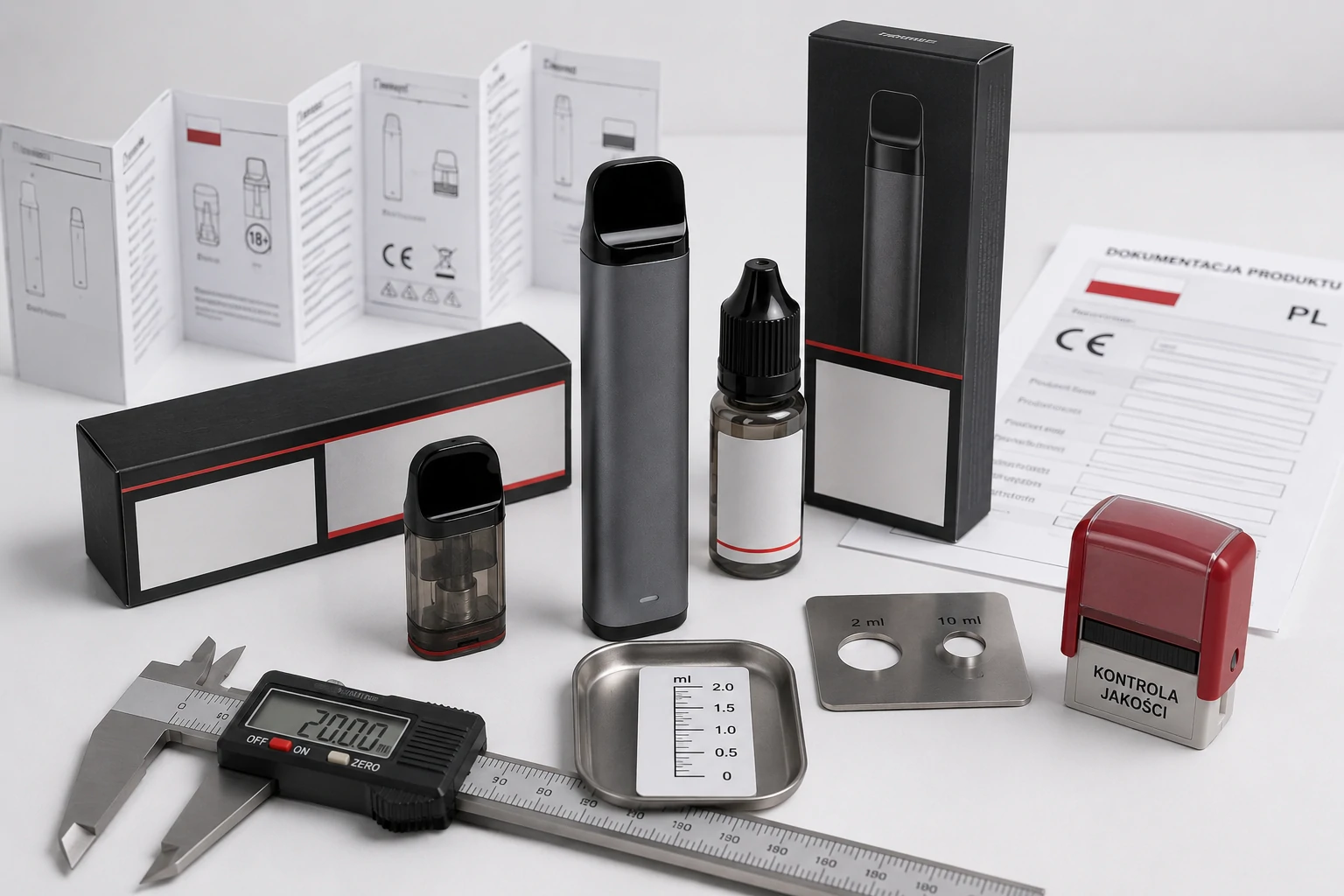
To ensure product safety and quality across the single market, reputable manufacturing processes always comply with the global frameworks. Adult consumers can also reference independent research hubs like the to track regional e-cigarette policies and policy developments across Europe.
Furthermore, general consumer protection rights during cross-border purchases remain secured under standard frameworks. If you are traveling between member states, remember that cross-border rules align with wider goals to curb youth nicotine uptake.
Environmental regulations also require the eco-friendly management of vape waste through initiatives like the frameworks. For safe electronic equipment disposal, manufacturers follow the strict guidelines outlined by the . Finally, adult users should always remain aware of broader guidelines regarding tobacco and nicotine use frameworks globally.
FAQ
Is it legal to use a vape in Poland in 2026?
Yes. Adults aged 18 and over can legally buy and use e-cigarettes and e-liquids in Poland, subject to age, labelling and public-use restrictions. The market is heavily regulated, but there is no general ban on adult use today.
What is the legal vaping age in Poland?
The minimum age is 18. Sales to anyone under 18 are prohibited for both nicotine-containing and nicotine-free products.
Are disposable vapes banned in Poland?
Not yet. A draft law proposes a full ban on the sale of disposable vapes, including nicotine-free versions, and a 2026 version would extend it to adults. As of mid-2026 it has not formally taken effect, so disposables remain on sale — but their future is uncertain.
How much tax is there on vapes in Poland?
E-cigarettes are excise goods. A fixed charge applies to each disposable device, plus a per-millilitre tax on e-liquid that has been rising on a published schedule through 2026 and 2027. This has pushed retail prices up noticeably.
Can vape products be advertised in Poland?
No. Advertising, promotion, sponsorship and public display of e-cigarettes, e-liquids and related products is banned in any form, which is why compliant sellers keep their content informational.
If you want to stay on the right side of the rules, the most useful next step is to check the current Polish regulations and buy only compliant, properly labelled products from sellers with verified EU stock.
For adults of legal age only (18+). Contains nicotine, an addictive substance. This article is informational and not legal advice; verify current Polish and EU regulations before buying or selling.
Footnotes
-
EU regulatory framework governing tobacco and e-cigarette production rules.
-
Official Polish authority managing national excise duties and tax frameworks.
-
International postal standards explaining cash on delivery logistics functionality.
-
Global standards organization verifying international product manufacturing quality.
-
Independent global database monitoring tobacco harm reduction legislation.
-
Legal guidelines protecting consumer purchasing rights within EU markets.
-
European Union institutional department overseeing public health policies.
-
EU agency providing data on environmental protection and sustainability.
-
European Union rules regulating electronic waste and battery disposal.
-
Global health agency directing international policies on nicotine consumption.